RoboStreet on the road — events, demos & summits
From WasteExpo to MIT's zero-carbon campus: where our electric trucks have been. Full stories on the RoboStreet blog.
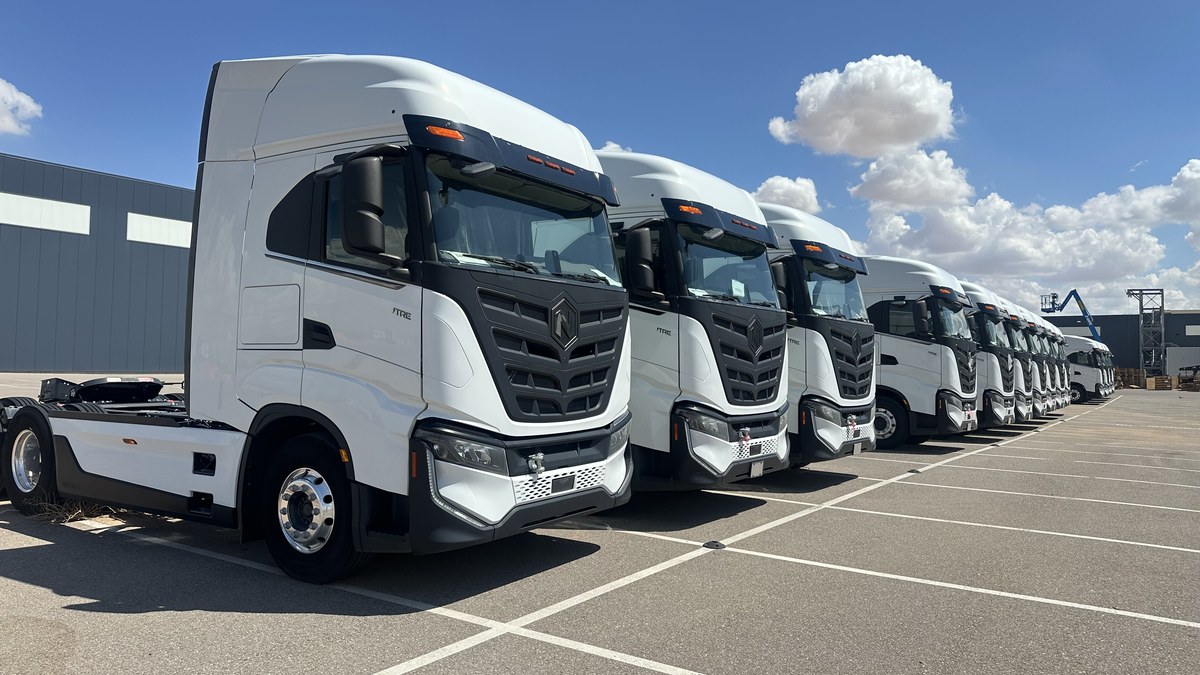
RoboStreet acquires a portion of Nikola's electric truck assets
Following Nikola's restructuring, RoboStreet acquired part of the company's battery-electric truck assets — the Class 8 hardware base that our first R1 engineering-validation vehicles are built and integrated on.
View photoHide photo
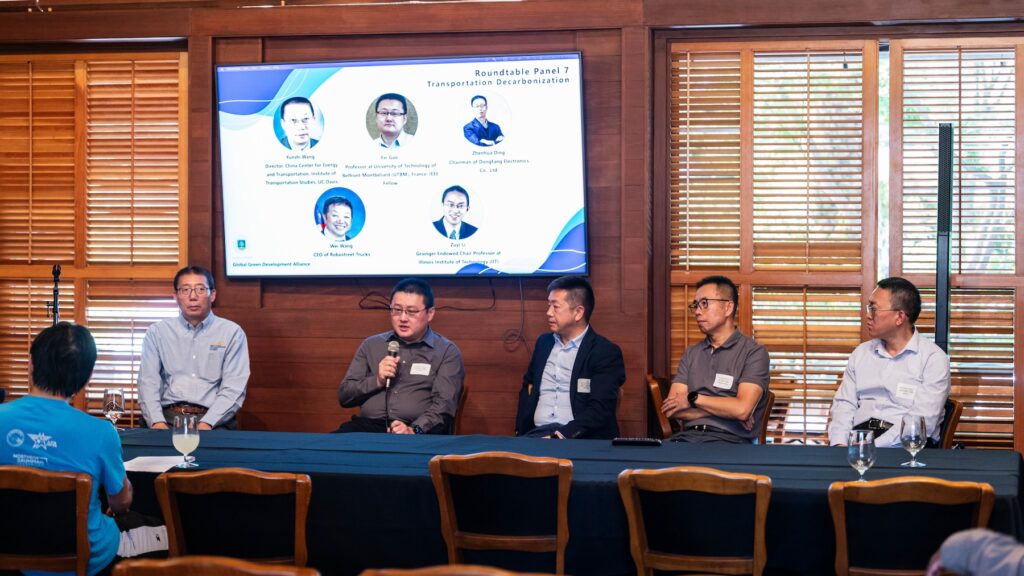
CEO Wei Wang unveils RoboStreet's solar-plus-storage-plus-charging solution at the 2025 Global Green Development Summit, Stanford
At the GGDS session on Energy Transition and Innovation for Carbon Neutrality, CEO William Wei Wang presented the company's integrated PV + storage + charging depot solution — the work that became RoboStreet TCDC.
View photoHide photo
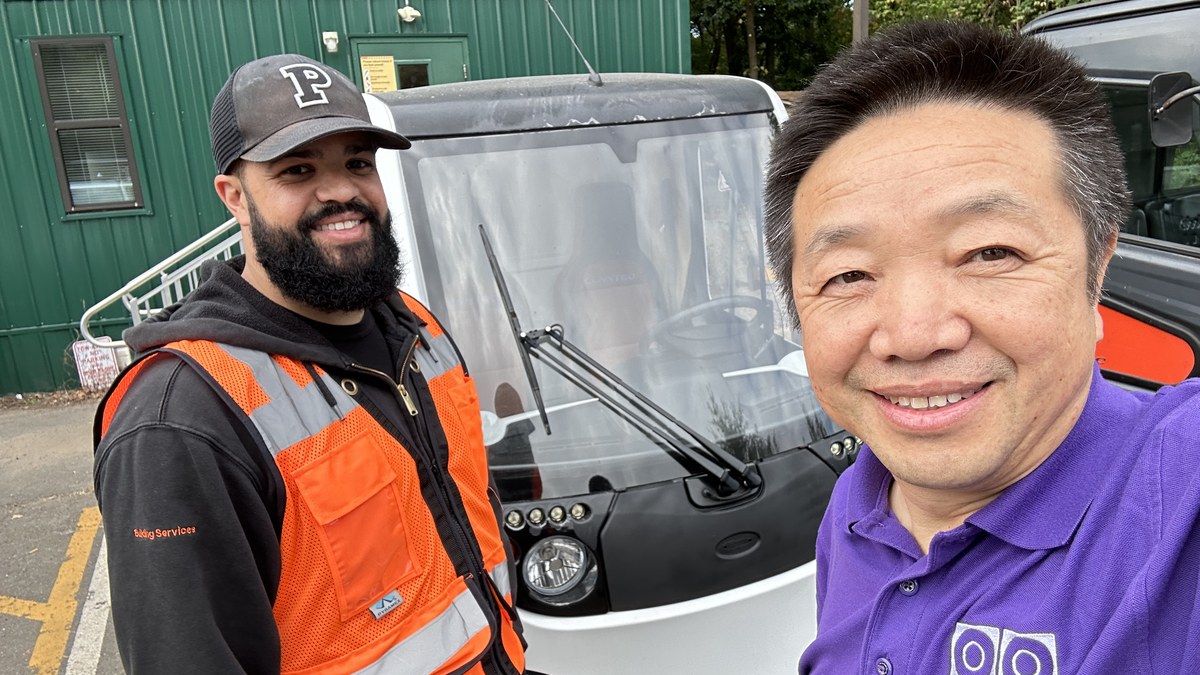
RoboStreet's compact electric truck approved for campus operation at Princeton University
Princeton University cleared a RoboStreet compact electric work truck to operate on its New Jersey campus — a live trial in exactly the kind of closed, fixed-route setting our Campus & Logistics missions target, working alongside the university's own grounds and building-services crews.
View photoHide photo
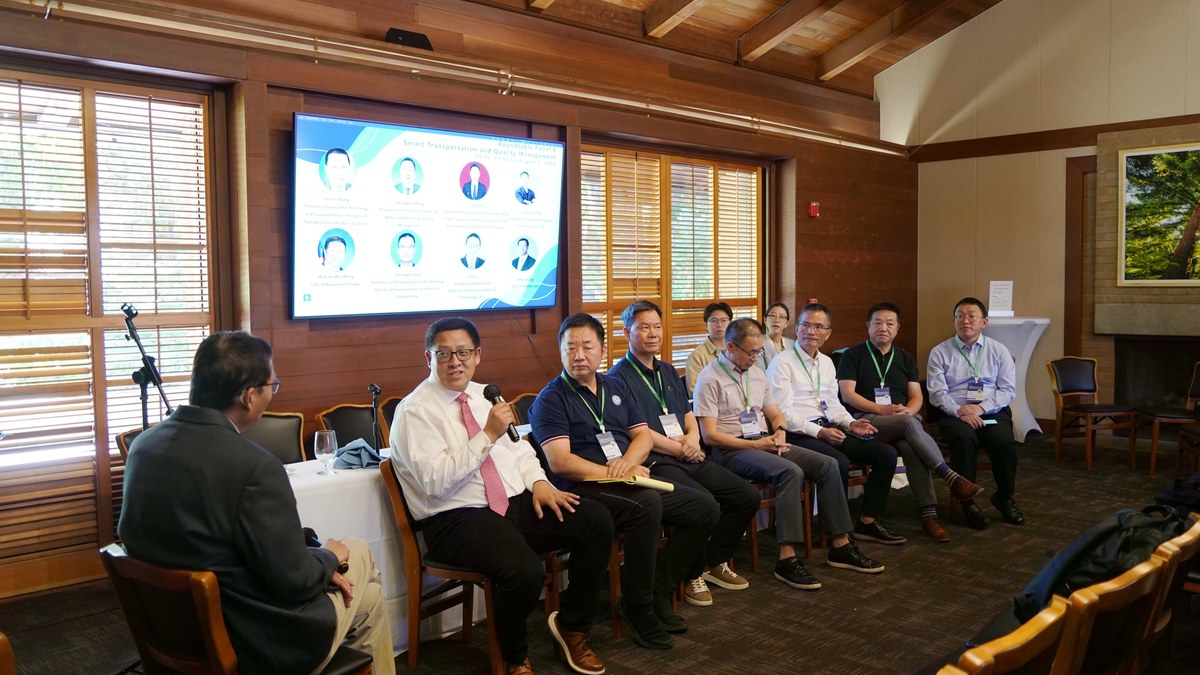
2024 Global Green Development Summit Held at Stanford University
RoboStreet joined the sustainability roundtable at Stanford, discussing green development and zero-emission fleets.
View photoHide photo
RoboStreet Unveils Electric Trucks on MIT's Zero-Carbon Campus
An electric truck delivered to MIT as part of the institute's zero-carbon campus efforts.
View photoHide photo
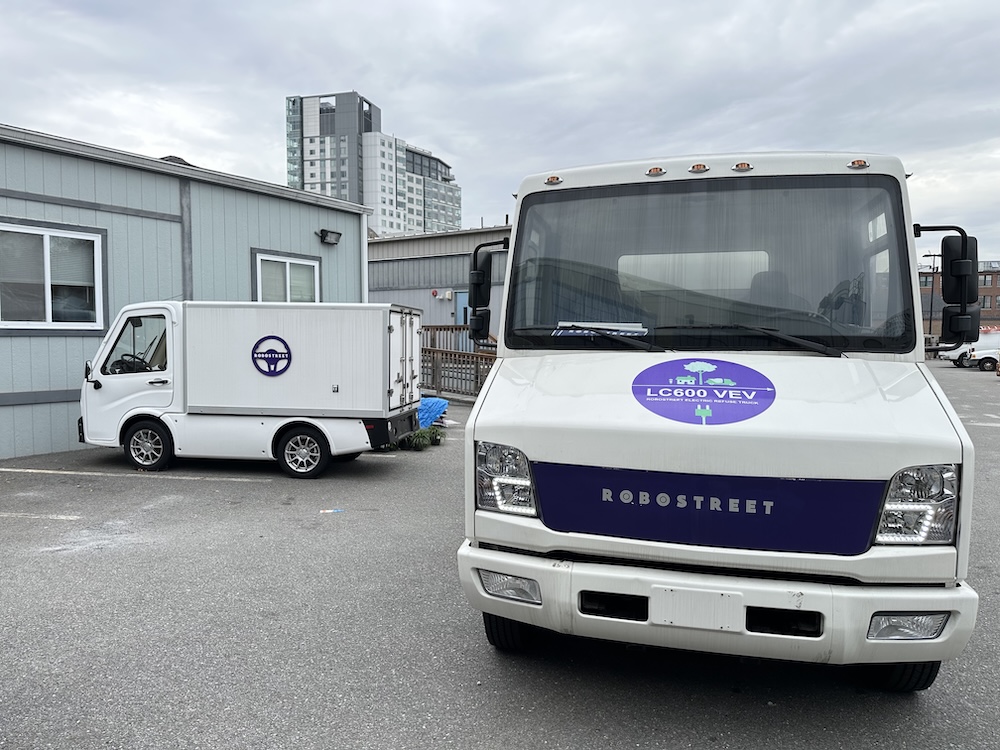
RoboStreet Attends U.S.–Asia Sustainable Development Summit at Harvard
CEO Wei Wang shared how heavy-duty trucks factor into greenhouse-gas reduction on the Green Finance & Technology Innovation panel.
View photoHide photo

LC600 Electric Garbage Truck at the U.S.–Canada Executive Energy Conference, Boston
The LC600 electric refuse truck took the stage at the North American executive energy conference.
View photoHide photo

The Future of Waste Management: LC600 at PWX 2023, San Diego
RoboStreet unveiled its electric waste-collection solution at the public works expo in California.
View photoHide photo

RoboStreet Trucks at NYC DCAS 34th Annual Equipment & Vehicle Show
Electric trucks on display at New York City's municipal equipment showcase.
View photoHide photo
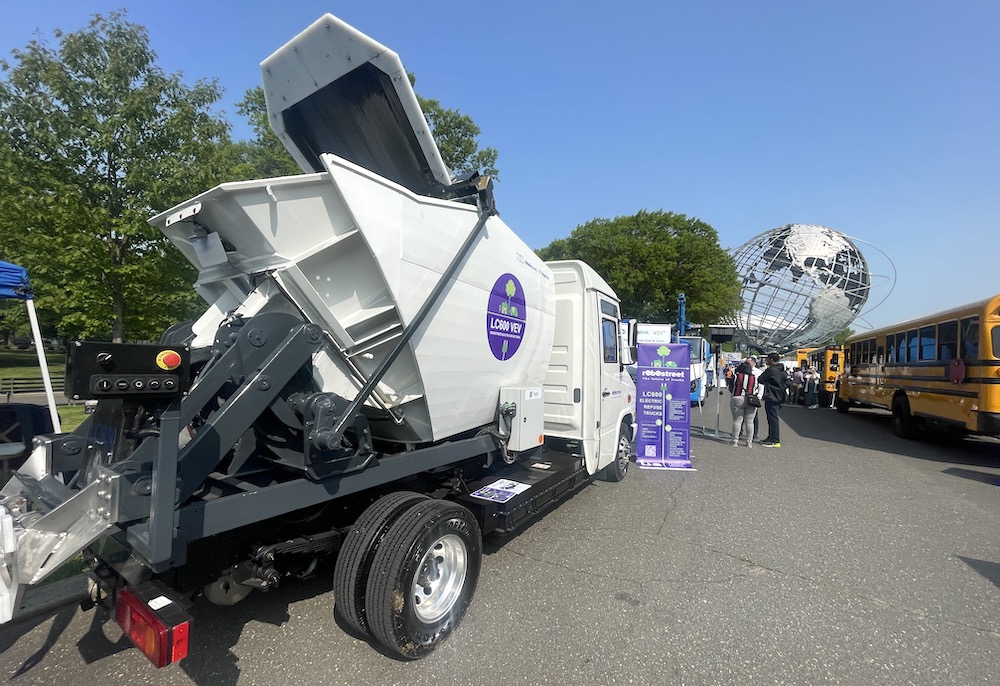
RoboStreet Introduces Electric Refuse Truck LC600 at JFK Airport
A live demonstration of electric refuse technology at one of America's busiest airports.
View photoHide photo
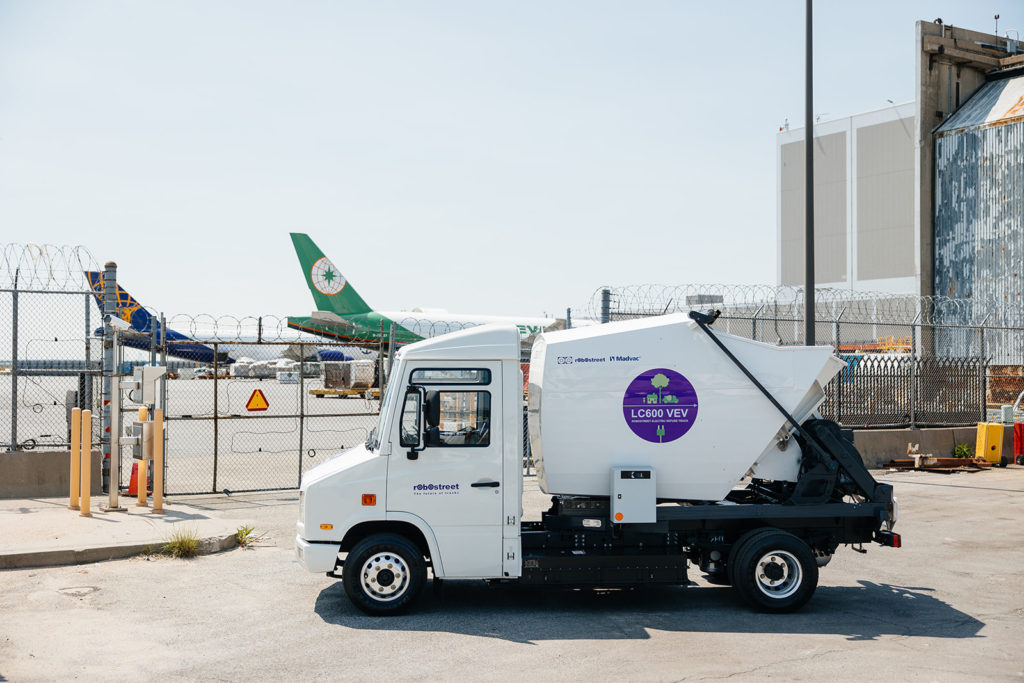
Smart & Sustainable Mobility Day with SEPTA and the City of Philadelphia
RoboStreet trucks joined the regional mobility initiative alongside SEPTA and the City of Philadelphia.
View photoHide photo
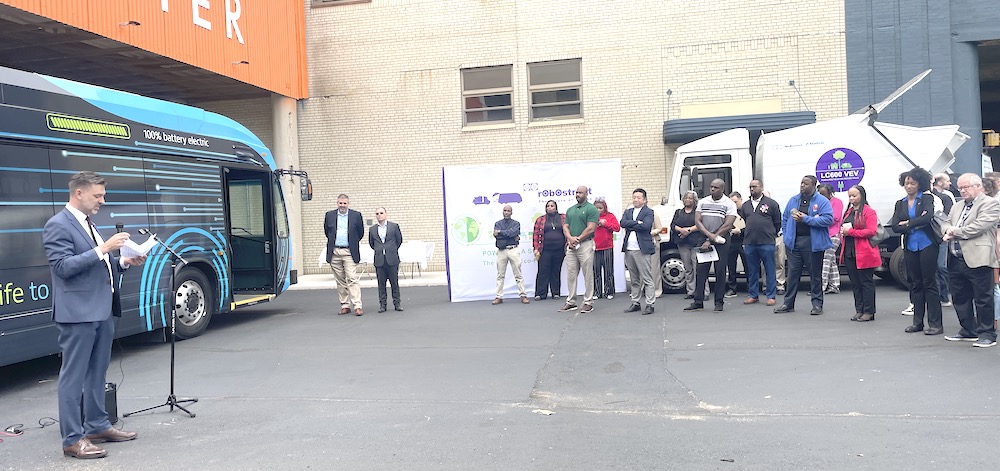
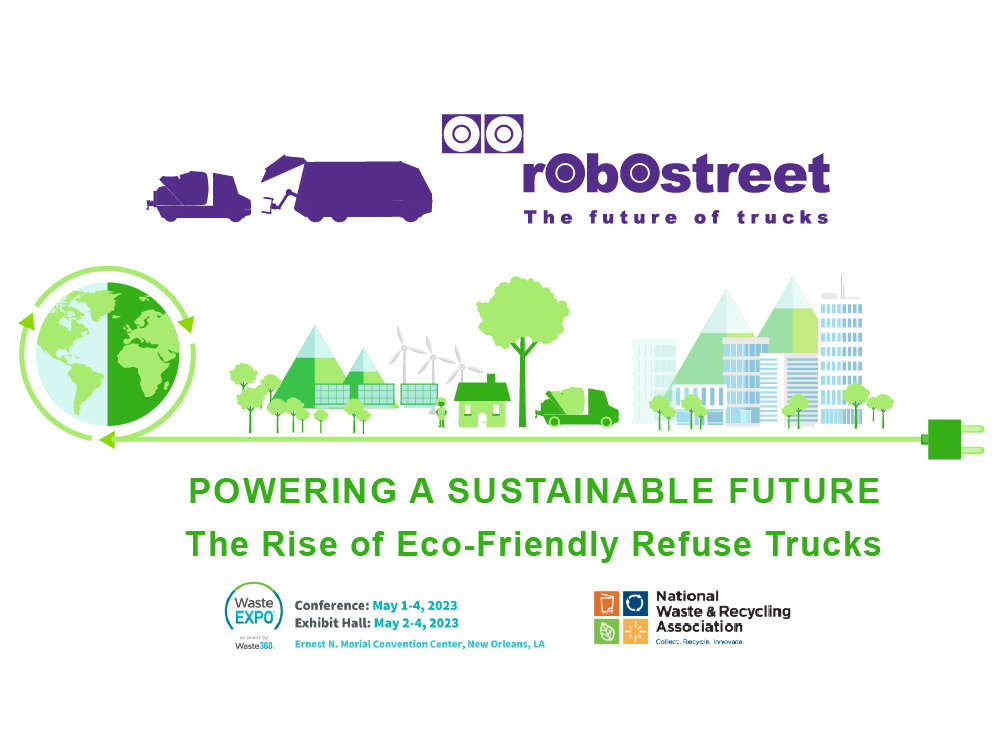
Revolutionary Electric Refuse Truck LC600 at WasteExpo 2023, New Orleans
The flagship electric garbage truck made its debut at the industry's biggest waste-management conference.
View photoHide photo
For media inquiries, write to i@robo-street.com.